

2026 Featured Product

Stainless Steel Hardware

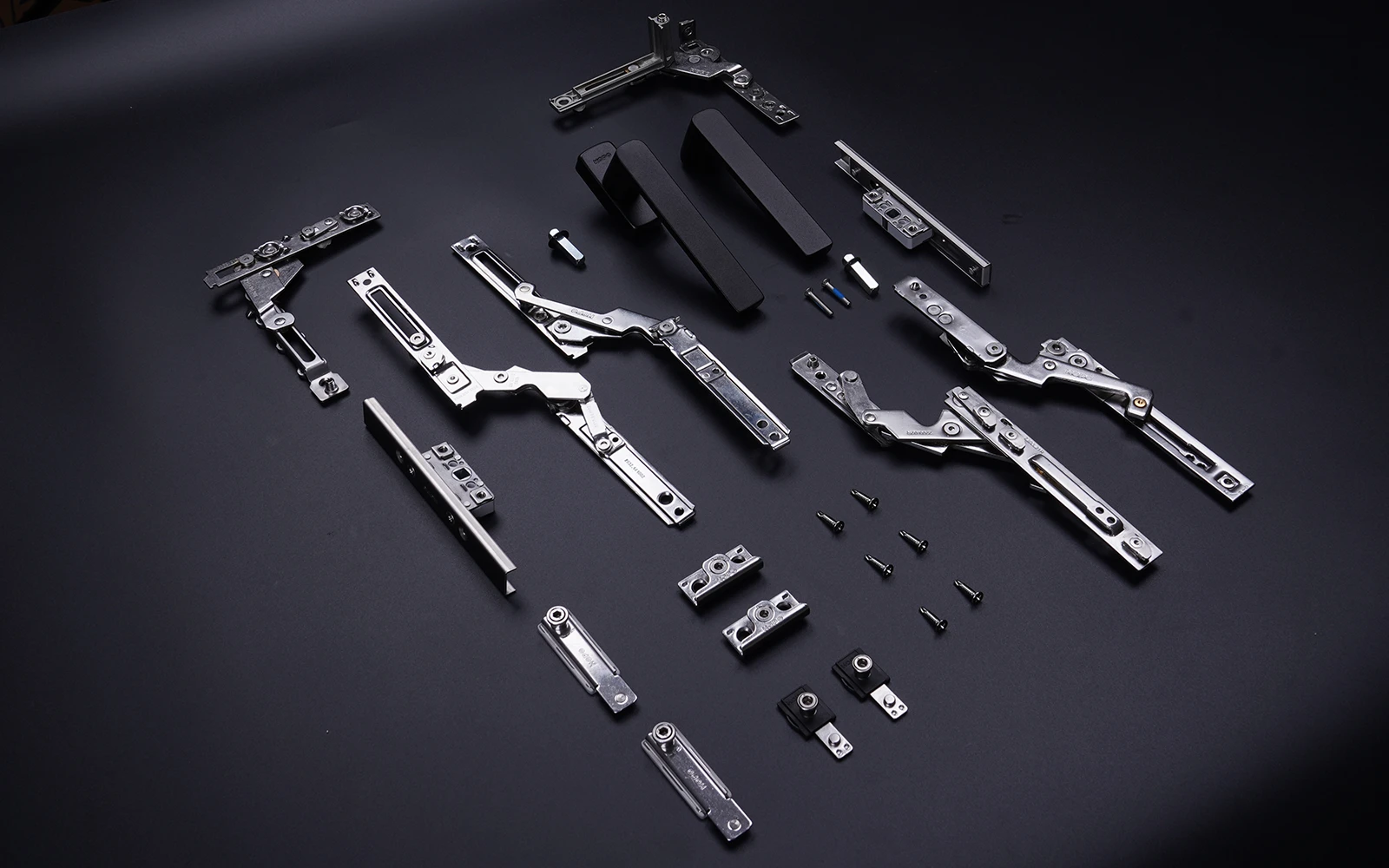
Nitoly is HOPO’s stainless-steel hardware range for windows and doors, covering material, forming, tolerance, assembly and test requirements.

1,000+ Hours
2,000+ Hours
25+ Years
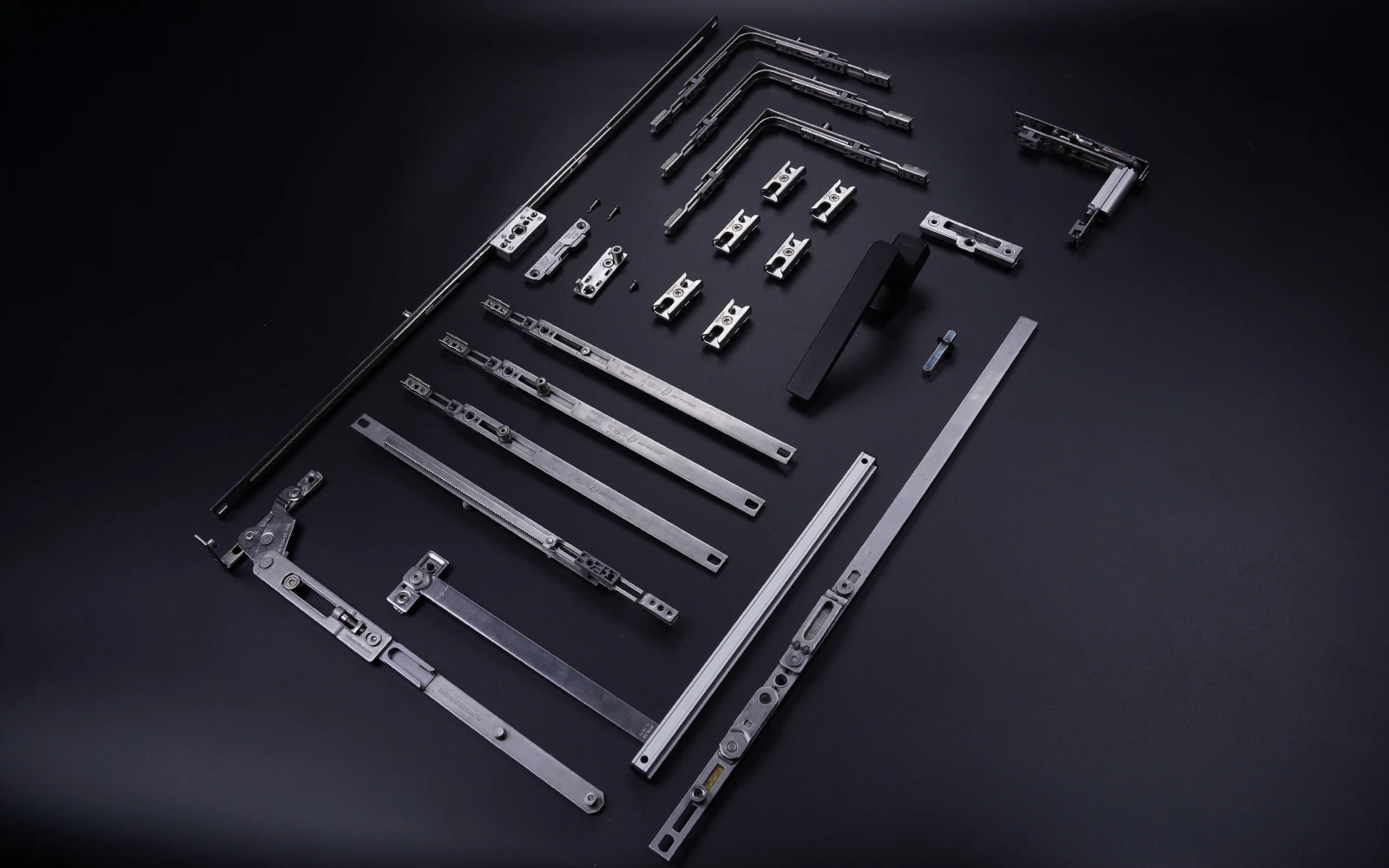
Euro 16 mm groove tilt-and-turn stainless-steel hardware
Nitoly Hardware Applications
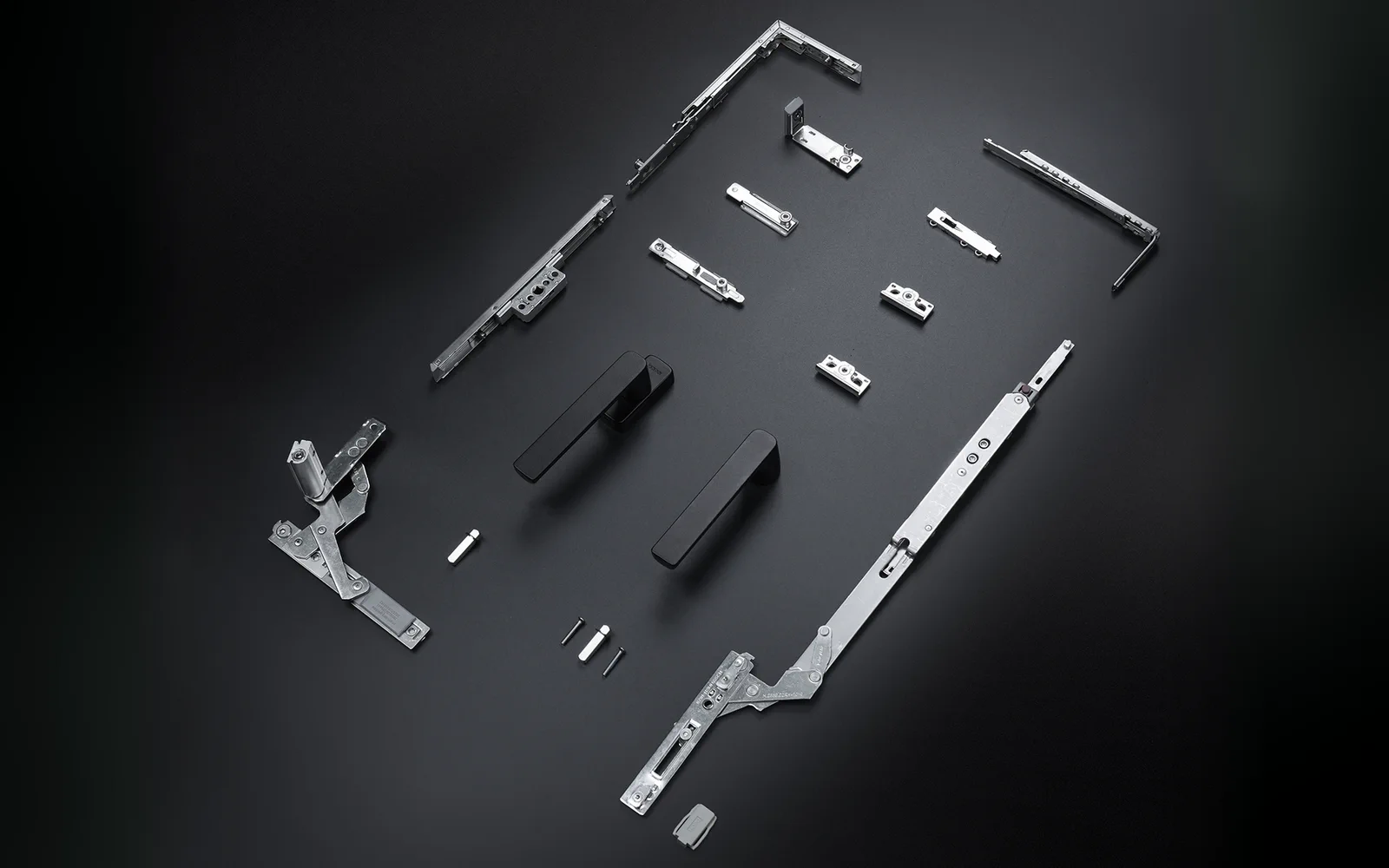
  1. 01Euro 16 mm Groove Tilt-and-Turn Windows
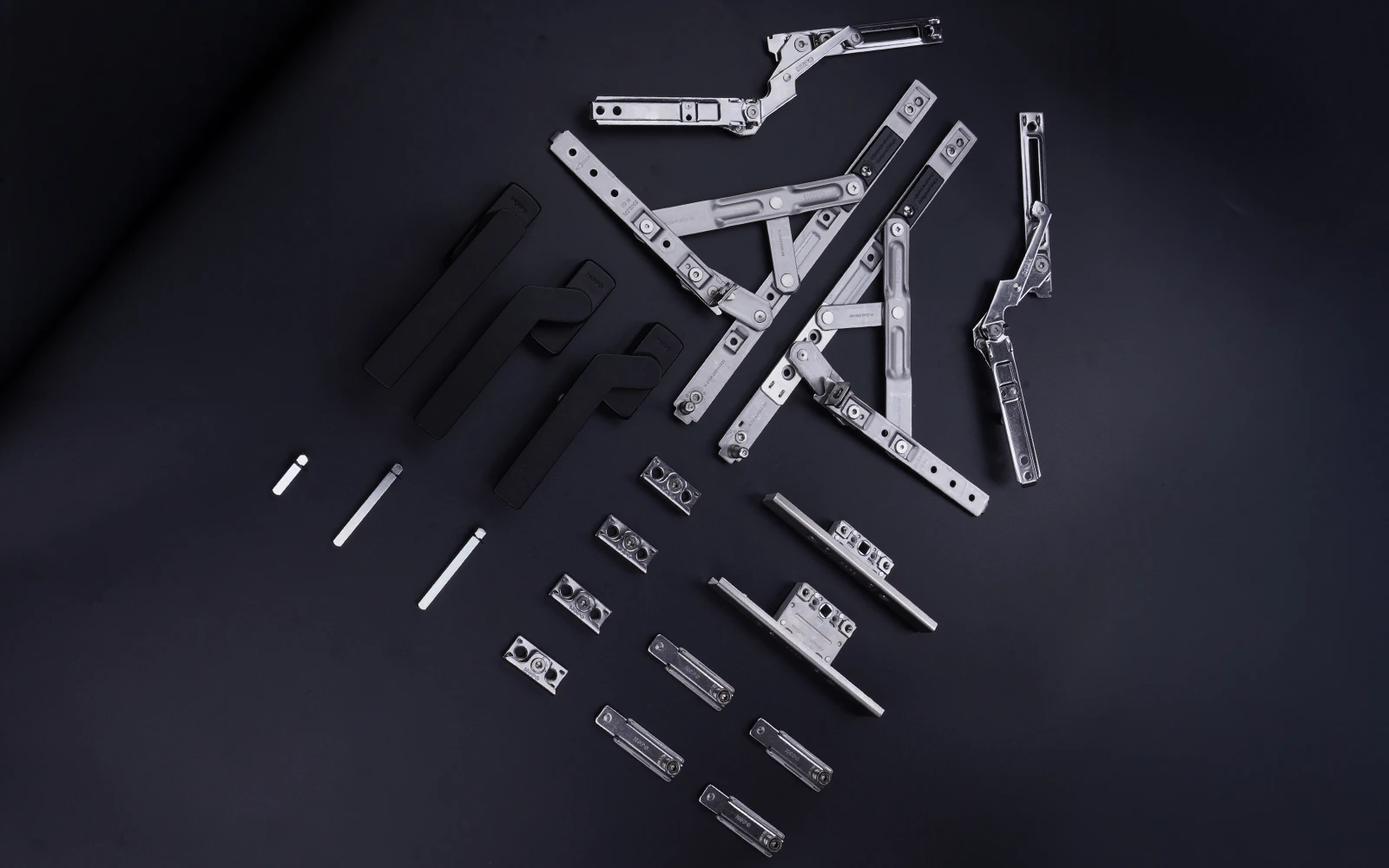
  2. 02Euro C-Groove Tilt-and-Turn Windows
  3. 03Euro C-Groove Inward-Opening Casement Windows
  4. 04Euro C-Groove Outward-Opening & Top-Hung Windows
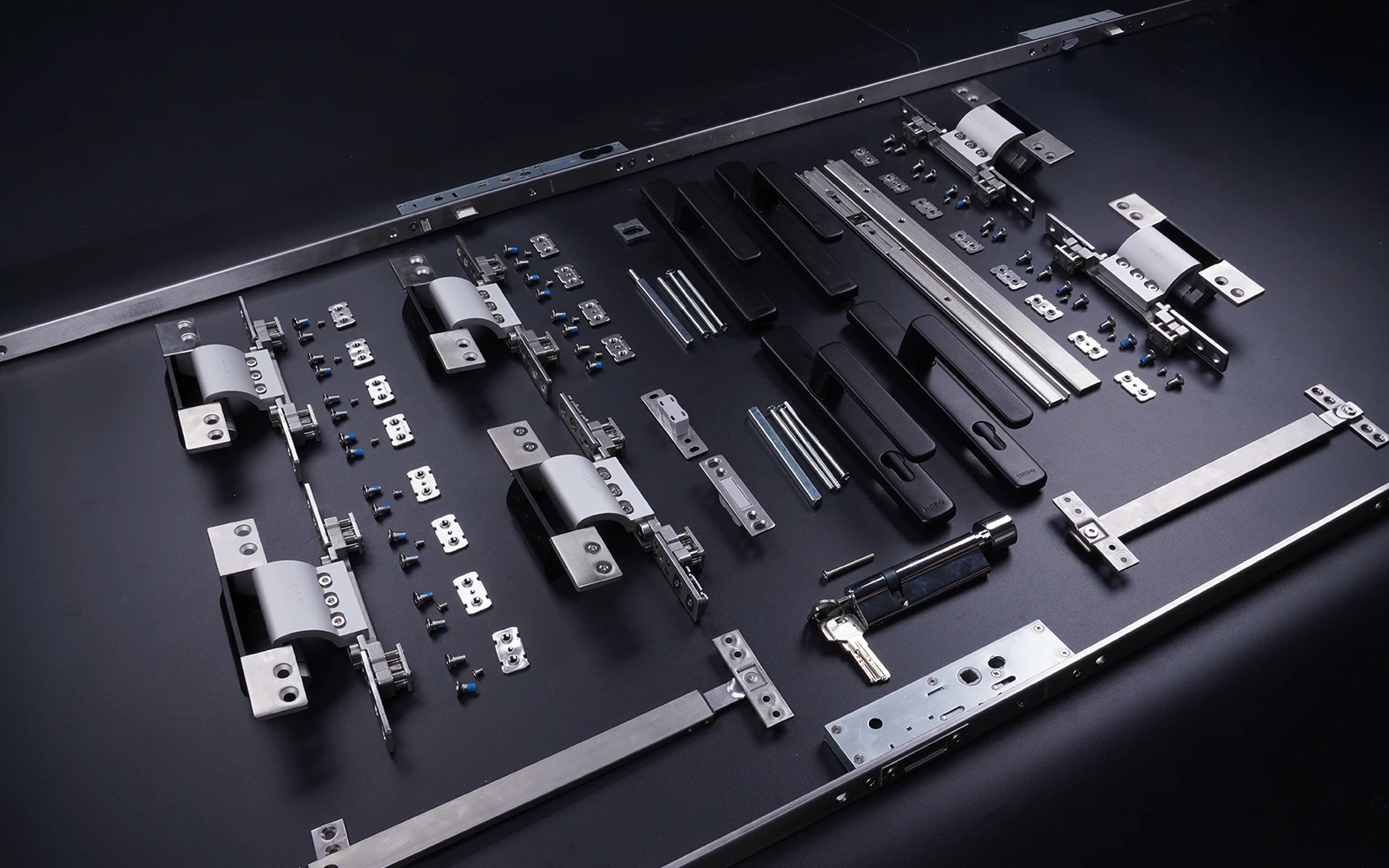
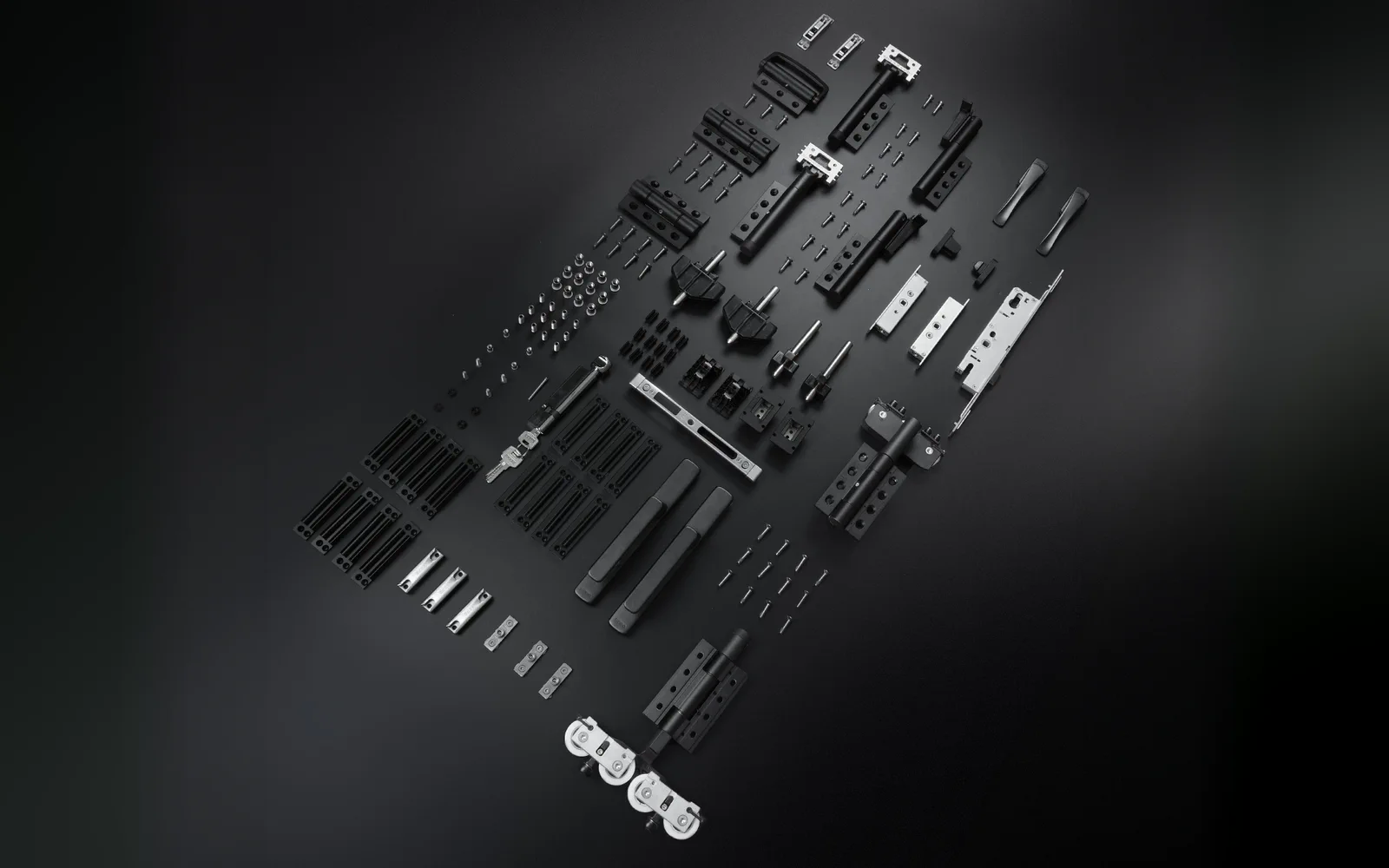
  5. 05Grooveless / Euro C-Groove Hinged Doors
  6. 06Heavy-Duty Folding Doors
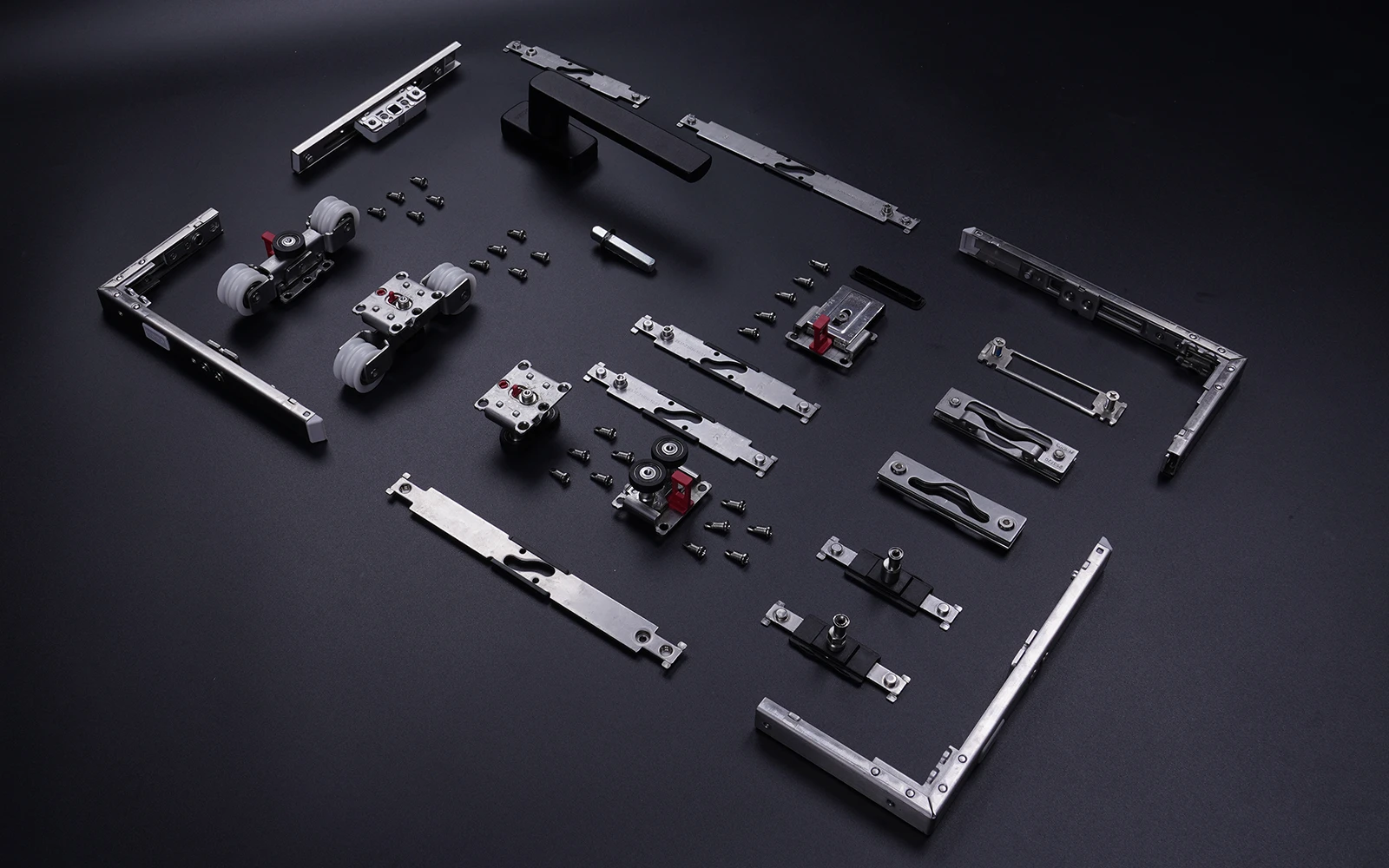
  7. 07Sliding & Compression-Sliding Doors
01 / What Is Nitoly?

Nitoly Stainless-Steel Hardware

Nitoly hardware is developed from component level around the material and processing characteristics of stainless steel.

Product Scope

Development covers product architecture, material specifications, stamping and precision casting, tolerance design, surface treatment, assembly, automation and final testing.

Design and Manufacturing Requirements

The range includes stamped stainless-steel components, precision-cast load-bearing parts and hardware systems for windows and doors. Material batches, component dimensions, joining methods, assembly sequences and functional tests are controlled against product specifications.

  1. 01 Product Architecture
  2. 02 Material Control
  3. 03 Precision Forming
  4. 04 Tolerance Design
  5. 05 Surface Treatment
  6. 06 Controlled Assembly
  7. 07 Final Validation
Research & Development

Structural stability under sustained load

Concealed window and door hardware carries sash weight while remaining exposed to the environment and repeated operation.

Heavy sash loads, salt-laden air, acid rain, thermal cycling and tens of thousands of operating cycles act on hardware components and joints over time.

Zinc alloys offer efficient forming and broad application value, but sustained load and temperature can introduce creep and stress relaxation. Loss of preload or growing clearance may then affect sealing and locking consistency. This is an engineering consideration, not a universal prediction for every zinc-alloy component.

Nitoly also changes component architecture, forming and joining routes, load paths, tolerance strategy and test methods.
02 / Why Stainless Steel?

Stainless-Steel Material Properties

Nitoly is intended for operating conditions that may include high humidity, salt exposure, elevated temperatures and sustained mechanical loads.

381–387°C Zamak 3 melting range · 718–729°F
1,400–1,450°C 304/304L melting range · 2,552–2,642°F
≈ 2.6× Absolute melting-temperature midpoint
ZAMAK 3

Zamak 3 Zinc Alloy

Engineering note

Zamak 3 has good fluidity and is suitable for efficient die casting of complex parts. Its melting range is 381–387°C (718–729°F). Under sustained stress and elevated temperature, zinc alloys may undergo creep or stress relaxation, which can affect preload, system clearance, locking and sealing. The result depends on component design, load and operating conditions.

304 / 304L

304/304L Stainless Steel

Engineering note

By comparison, 304/304L stainless steel has a melting range of approximately 1,400–1,450°C (2,552–2,642°F). Measured on an absolute temperature scale, the midpoint of this range is approximately 2.6 times that of Zamak 3. Melting temperature is not an operating-temperature rating, but the comparison helps explain why stainless steel offers a substantially greater margin against time-dependent deformation in ordinary building environments. Its chromium-rich passive surface layer also provides inherent resistance to rust and corrosion. For coastal, high-chloride or otherwise aggressive environments, the stainless-steel grade, surface condition and additional protective treatment must still be selected for the actual exposure.

Material Reference

Stainless-Steel Reference Values

Reference values for stainless steel used during Nitoly development.

Tensile strength · Rm
≥ 515 MPa
0.2% proof strength · Rp0.2
≥ 205 MPa
Brinell hardness
≤ 200 HB
Density
7.93 g/cm³
Melting range
1400–1450 °C

Reference values are informative. The applicable alloy grade, batch certificate, part geometry, forming history, heat treatment and test method govern the finished component.

Nitoly combines stainless steel with component design, manufacturing, surface treatment and product testing. The design working-life objective is more than 25 years; actual service life depends on product selection, installation, environment, operation and maintenance.

03 / How Nitoly Is Made

Design and Production of Stainless-Steel Components

Component geometry, forming, joining and assembly are specified for the processing characteristics of stainless steel.

18precision components

18 Precision Components

The Nitoly stainless-steel tilt-and-turn corner drive consists of 18 precision components. Joining methods, locating datums, mating holes, load paths, tolerance stacks and assembly sequences are specified for stamped stainless-steel parts and repeatable production within the required tolerances.

  1. 01 Material Specification
  2. 02 Incoming Inspection
  3. 03 Tooling & Stamping
  4. 04 Dimensional Control
  5. 05 Controlled Assembly
  6. 06 Functional Validation
01

Material Control

Process detail

The principal stamped structural and functional components used in Nitoly tilt-and-turn, casement and compression sliding door systems are manufactured from high-quality 304 stainless-steel sheet. Within the requirements of the 304 material standard, HOPO applies tighter internal controls to the chemical-composition window, mechanical properties, sheet thickness, hardness and surface quality. Incoming materials are inspected by batch to maintain a consistent balance of corrosion resistance, formability and production stability.

02

Precision Stamping

Process detail

304 stainless steel offers excellent formability, but its work-hardening behavior, springback and tendency to gall or adhere to tooling make precision stamping more demanding than conventional mild-steel processing. During repeated high-pressure contact, stainless steel can transfer material onto the tool surface. Nitoly production therefore requires close management of tool materials and surface treatments, stamping clearances, lubrication, forming sequences, springback compensation and maintenance cycles.

03

Material, Tooling, Assembly and Testing

Process detail

Production includes material inspection, tooling management, stamping, dimensional measurement, assembly and final functional testing, with batch records retained as required.

Process architecture

Four Process Principles

Processes are selected according to component geometry and finish requirements.

  1. 01

    Integrated cold forming

    Where geometry permits, cold forming reduces welded joints and helps preserve continuous load paths. Joining methods remain product-specific.

  2. 02

    Ion-deposition finishes

    Selected finishes use ion-deposition processes to improve wear and environmental resistance without relying on vibratory polishing. Colour and coating specifications vary by product.

  3. 03

    Standardized modular adaptation

    Standardized interfaces and modular components support adaptation across window and door systems while keeping assembly and maintenance logic consistent.

  4. 04

    Tolerance allowance

    A 20% adjustment or tolerance margin is used as a design objective where the relevant mechanism and product specification permit. It is not a universal dimensional allowance.

04 / Performance & Service Life

Salt-Spray and Service-Life Targets

Products are tested and selected according to material, surface treatment, installation and operating conditions.

1,000+Hours

Salt-spray resistance specified across the Nitoly range

2,000+Hours

Neutral salt-spray resistance specified for selected black or gold finishes

25+Years

Design service-life objective across the Nitoly range

Across the Nitoly range, hardware is specified for more than 1,000 hours of salt-spray resistance. Selected black or gold finishes for Euro 16 mm groove and Euro C-groove tilt-and-turn systems use an additional surface-finishing process and are specified for more than 2,000 hours of neutral salt-spray resistance. This provides a more stable option for coastal window and door systems, where conventional carbon-steel or plated-steel hardware can face greater corrosion risk.

Service-life conditions

All Nitoly systems are designed around a service-life objective of more than 25 years. Actual service life depends on product selection, finish, installation, operating environment, use and maintenance; product-specific test reports and selection guidance should be used for final specification.

Durability Testing

Durability and Corrosion Tests

Nitoly is tested as a hardware system. The development comparison used a conventional 480-hour neutral salt-spray reference.

100,000+ cycles

Durability validation under defined laboratory conditions

Cycle and corrosion figures are test results or engineering targets for specified samples, loads, installation, finish and methods; they are not unconditional service-life guarantees. The 25+ year statement is a design working-life objective. Actual life depends on environment, installation, use and maintenance.

05Nitoly Hardware Applications

Seven Window and Door Applications

The range covers tilt-and-turn, casement, top-hung, hinged, folding, sliding and compression sliding window and door systems.

Application Conditions

Target Environments

Product selection considers environmental exposure, sash size, load and operating frequency.

  1. 01

    Coastal and high-humidity environments

    Material, finish, drainage and maintenance are considered together where salt-laden air and persistent moisture increase corrosion exposure.

  2. 02

    Hot climates and strong solar exposure

    Thermal movement and temperature cycling are included in tolerance, preload and interface decisions.

  3. 03

    Large sashes and higher loads

    Load paths, component geometry, adjustment and system validation are coordinated for demanding sash sizes and weights.

  4. 04

    Long-life and sustainable buildings

    Durability, maintainability and the recyclability of stainless steel support lifecycle objectives; actual recovery depends on local collection and recycling infrastructure.

Final suitability must be confirmed against the selected product, opening type, dimensions, loads, exposure category, installation details and maintenance plan.

04

Window Systems

Euro 16 mm Groove Tilt-and-Turn Windows
01

Euro 16 mm Groove Tilt-and-Turn Windows

Tilt-and-turn hardware for Euro 16 mm groove systems across aluminum, timber and uPVC window profiles.

Euro C-Groove Tilt-and-Turn Windows
02

Euro C-Groove Tilt-and-Turn Windows

Tilt-and-turn hardware developed for Euro C-groove window systems.

Euro C-Groove Inward-Opening Casement Windows
03

Euro C-Groove Inward-Opening Casement Windows

Hardware for inward-opening Euro C-groove casement windows.

Euro C-Groove Outward-Opening & Top-Hung Windows
04

Euro C-Groove Outward-Opening & Top-Hung Windows

Hardware for outward-opening Euro C-groove casement and top-hung windows.

03

Door Systems

Grooveless / Euro C-Groove Hinged Doors
05

Grooveless / Euro C-Groove Hinged Doors

Hinged-door hardware for grooveless and Euro C-groove door systems.

Heavy-Duty Folding Doors
06

Heavy-Duty Folding Doors

Hardware architecture for heavy-duty folding-door applications.

Sliding & Compression-Sliding Doors
07

Sliding & Compression-Sliding Doors

Hardware for sliding and compression-sliding door systems.

Nitoly Stainless-Steel Hardware
Seven Window and Door Applications

    Tell us about you

    Contact information

    Email or WhatsApp — at least one is required.